DEOGLAS Project
Decarbonisation and Optimisation of Industrial Glass Furnaces
Project coordinated by the CEA
Duration: 4 years
A budget of 4.9 million euros
Contexte et enjeu
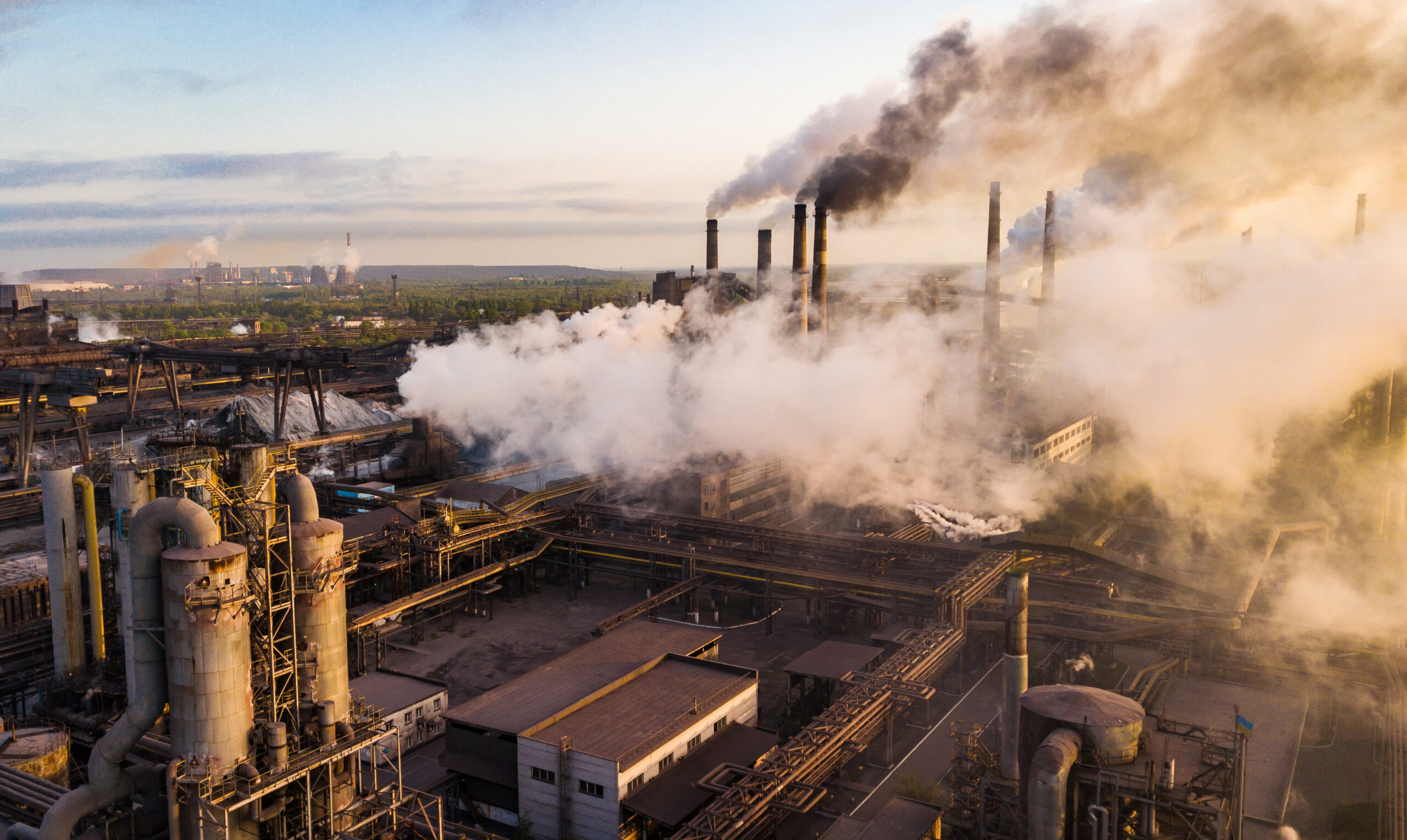
Many industries, such as steelmaking, cement production and glassmaking, rely on very high-temperature furnaces (> 1,000°C). The electrification of this equipment is a major challenge: in France, 60 per cent of the final energy used for industrial heating is consumed by furnaces, and 90 per cent of this energy still comes from fossil fuels. In the glass industry, 80 per cent of CO₂ emissions are directly linked to the use of these fossil fuels, amounting to a total of 2.2 million tonnes of CO₂ emitted each year in France.
Scientific objectives
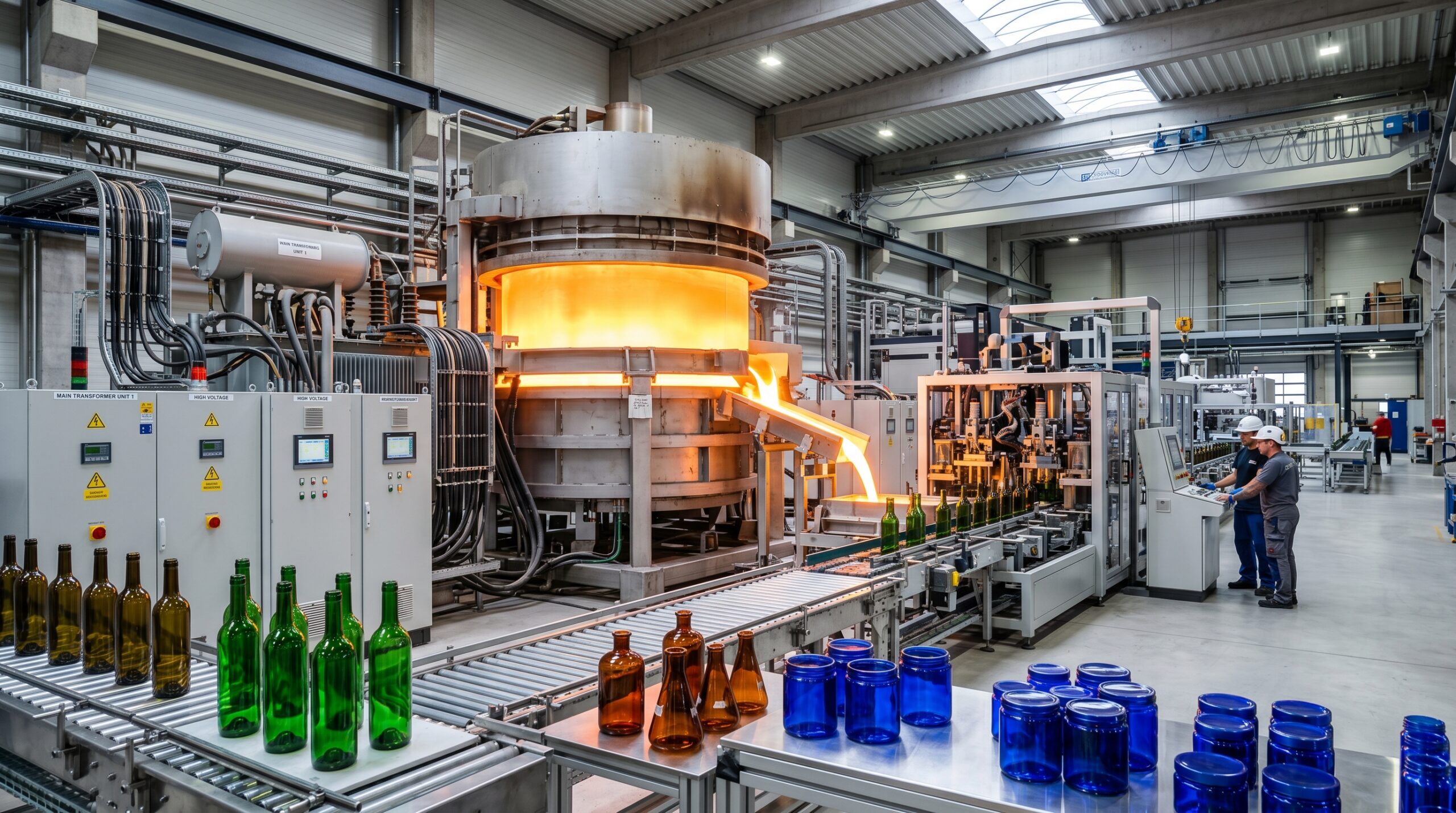
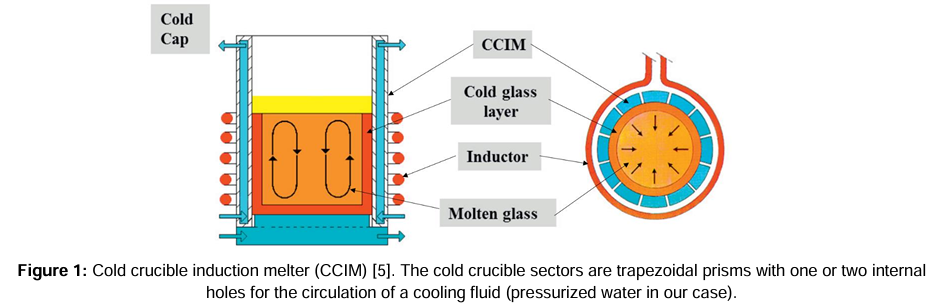
The DEOGLAS project aims to contribute to the electrification of furnaces used in the glass industry by improving the energy efficiency of cold-crucible direct induction furnaces. These furnaces operate entirely on electricity and, thanks to the absence of contact between the furnace components and the molten glass, ensure high material purity and prevent
structural degradation. The service life of the heating inductors and the main structural components of the crucibles is therefore virtually unlimited, which considerably reduces maintenance requirements. However, this technology currently faces limitations due to its low energy efficiency and its capacity for small-batch production.
The aim of the DEOGLAS project is to apply direct induction technology to the production of commercial glass in furnaces of various capacities, adapting to the widest possible range of chemical compositions, whilst ensuring high energy efficiency. Two complementary areas of work are proposed.
1. The first aims to reduce electrical losses in the cold crucible by replacing its all-metal structure with ceramic-metal junctions. These junctions will need to meet specific technical specifications, particularly in terms of thermal conductivity and mechanical strength. This area presents a major scientific challenge, as creating such a junction remains difficult due to the differences in the chemical, physical and mechanical properties between these two classes of material. A brazing assembly method is being considered, and an in-depth study is planned to evaluate various brazing processes, both reactive and non-reactive. In parallel, research will be carried out on the ceramic to explore ways of improving its assembly, in particular surface metallisation and the mitigation of negative effects that may arise from thermo-elastic stresses.
2. The second area of research aims to optimise the layout of the heating inductor by positioning it beneath the charge to be melted and combining it with magnetic concentrators in order to increase the system’s efficiency and minimise any electromagnetic interference. This design principle, combined with the implementation of innovations arising from research area 1, will enable us to offer manufacturers a modular heating unit with a capacity of 2 m², which can be used on its own for small tonnages (1 to 2 tonnes per day) or as a component of a larger-capacity furnace in which several units are combined. This design principle would provide greater flexibility in the
sizing of high-temperature melting plants, regardless of the target throughput.
The consortium
Significant advances are expected in both process engineering and the development of new materials. These developments will contribute to new furnace designs, not only for the vitrification of nuclear waste, but also in the glass industry in general, by facilitating the electrification of high-temperature furnaces. In order to propose solutions that genuinely lead to a reduction in environmental impacts, the various stages of the project will be accompanied by a life-cycle analysis, covering both the manufacture of new furnaces and their operation.
More projects